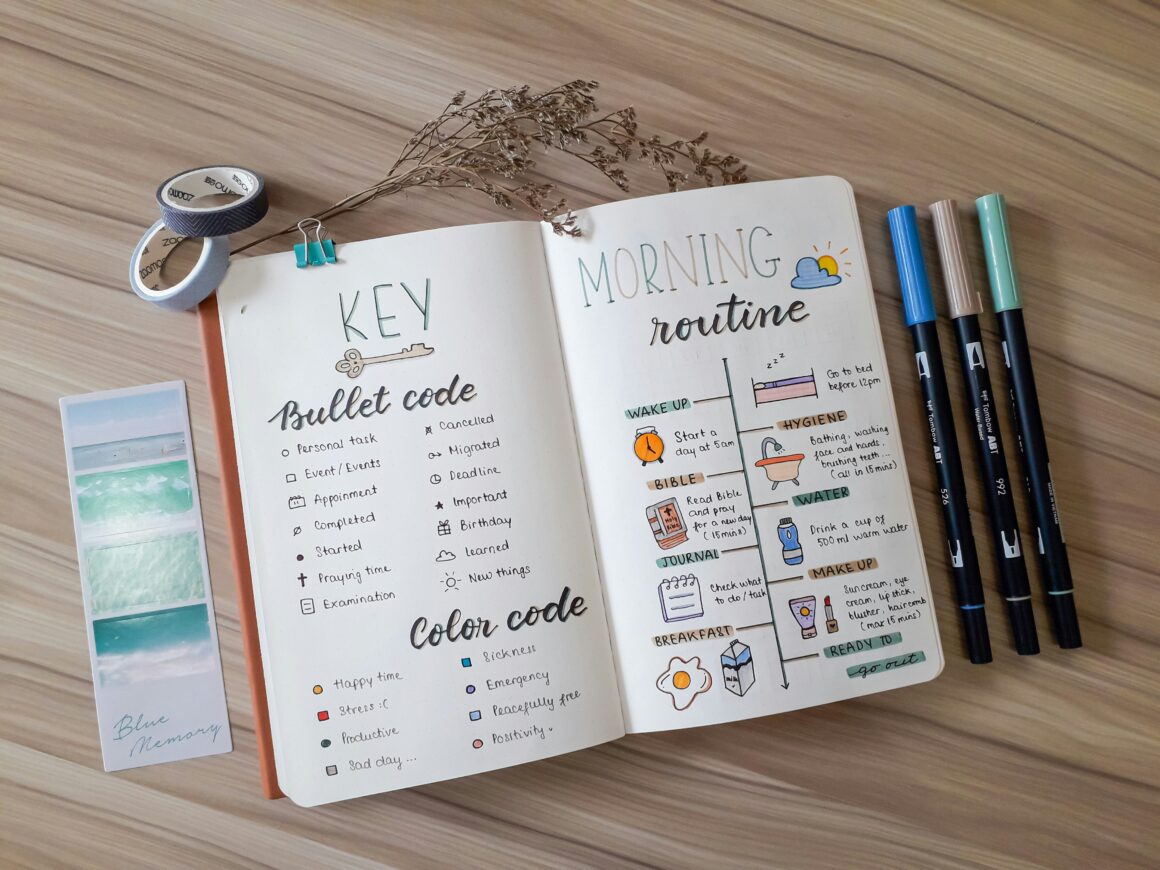
Changing Routines So They Don’t Tire You Out
I love routine and having set things at set times but changing routines so they don’t tire you out is important too. Being flexible when our chronic illnesses flare or change can make a big difference to how we can feel during the day and how much we can do. I have this year, spent a lot of time changing things, and that has needed to happen again this last week as my mother has been sick. So, let’s chat about this and make sure we take care of ourselves in the best way possible.

When Helpful Routines Become Exhausting
For me, routines are how I make it through the day, without them I would not get anything done that is just how my neurodivergent brain works. But I have learned over time that I have to allow these routines to breathe, and to have space to change them.
I think often we follow routines and do things in a certain way because on paper they look good and should work. We try to fit into productivity focused expectations, as if doing more and being prolific will make us feel better. Maybe those around us and what they think, as well as messages from society start to filter in and leave us feeling like we have to do more.
Then there is the guilt that comes when we cannot keep up, when the routines we are trying to force ourselves into, don’t work for us. These routines just become another source of pressure, overwhelming us and leaving us nothing but drained, changing routines so they don’t tire you out is a simple way to prevent this.
Paying Attention to Energy Costs
When you live with chronic illnesses, there is always an energy cost, no matter how small or big the task. One little change can be instead of asking if you are getting everything done, you could ask yourself how much energy is this costing me?
There are so many different types of energy too, we mostly think about the physical energy that comes with moving our body. But what about mental energy, like I am using now to write this blog post in a heatwave, or to read a book or do a puzzle.
There is also emotional energy, stress, arguments, worry, anxiety are all tiring and overwhelming emotions that can affect us. Then there is decision fatigue, too much choice even what to watch can leave me feeling overwhelmed these days!
Some tasks seem easy and yet take a surprising number of spoons, so changing routines so they don’t tire you out can help a lot. For me, it’s about being able to flow with my energy levels and my symptoms and change things as needed which has helped so much recently.
Small Changes Can Make a Big Difference
If you struggle with change like I do, then the idea of changing routines so they don’t tire you out might feel overwhelming in itself. But accessibility can sometimes just be simplification not throwing everything out the window and turning your life upside down.
It mainly requires thinking about how and when things will be done, like sitting for a task instead of standing to save spoons. It could be spreading a task across several days, like I might take a week to clean a room as I do ten minutes a day.
You could prepare things the night before, like choosing what to wear the next day or taking a shower the night before a medical appointment. It could also mean asking for help to achieve a task or combining tasks if it makes sense.
Letting Go of “The Right Way”
I think too often the idea of the right way to do something comes from society’s expectations around productivity. The idea that routines must be rigid to fit around work or school often doesn’t work for people with chronic illnesses or disabilities. So, give yourself permission to do things differently and to make things work for you instead of the constant push and pull.
This could be showering at different times of the day, or less often than the everyday rule society lives by. A routine should work for you, using accessibility aids, resting between tasks and doing less each day.
Building Flexibility Into Your Routine
Now, this is where things change, because there doesn’t have to be just one way to do things, I for example have “high-spoon” and “low-spoon” versions of routines. I prioritise the essential things I have to get done and let the other things move down the list or even to another day.
I leave room in my weekly routines for bad days when I struggle to think straight and just need to sleep all day. And I accept that needs change, even throughout the day, like yesterday I woke feeling good, but by the afternoon I was asleep on the sofa with a migraine.
Remember a flexible routine is so much more sustainable than trying to have a perfect one, especially as our bodies are constantly changing. Flowing with our symptoms and letting go of expectations, will allow us to have a life with less guilt.
What My Routines Look Like Now
Since letting go of strict and unbending routines, I have found my symptoms don’t feel like an inconvenience as much as they used to. It is kind of hard to explain but having a movable week full of flow and not regimented is honestly less exhausting.
Changing routines so they don’t tire you out, makes daily life easier, and lessens that guilt and frustration that I felt all the time before. Listening to my body made things easier, improved my symptoms (a little but it counts) and my days can now adapt and change as needed.
Slowing down and lessening the pressure is a relief and honestly allows more room for the things that matter most. It’s learning to live with the body I have today, not trying to do what I could a year ago. The routines that support us are not always the most impressive or productive but changing routines so they don’t tire you out can help you to fit your routine around you. You don’t need to fit your life around your routine, it needs to be kinder and gentler, and full of more joy and comfort.
Thank you xx
If my words or videos have brought a little cosiness to your day, you can support me on Ko-fi with a tip or join my Patreon for just £2 a month. Your kindness helps me keep creating both here and on YouTube.
If you enjoyed this, you might also like:
- When the Goalposts Move: The Mental Health of Being a Small YouTuber
- Finding Joy and Magic While Living with Chronic Illness
- Building a Life That Works With Your Body
- Disability Pride Isn’t About Loving Your Disability
- Finding Zen: How Hobbies Support Mindful Living




One Comment
Kaz
Thank you. I am currently following a new slower routine and this blog has really helped me to make some tweaks.