Finding Zen: How Hobbies Support Mindful Living

Life often feels like a constant buzz, with endless to-do lists and digital notifications pulling us in every direction. Finding a peaceful moment can seem like a luxury. But taking time for ourselves isn’t just an indulgence; it’s vital for our mental well-being. Hobbies offer a powerful way to get back to ourselves, helping us disconnect from stress and reconnect with a sense of calm and purpose.
The Power of Play for Adults
As we get older, we often leave the idea of ‘play’ behind in childhood. We trade playgrounds for presentations and free-form creativity for structured tasks. But rediscovering the joy of play through hobbies is one of the best ways to support our mental health. When we do something purely for fun, without pressure to be productive or perfect, it can lower stress and spark creativity.
Whether you’re learning an instrument, joining a local sports team, or getting lost in a complex board game, play helps our minds enter a state of ‘flow.’ This is when we’re completely absorbed, losing track of time and letting our worries fade away. It’s a much-needed mental reset.
Hobbies for Stress Relief
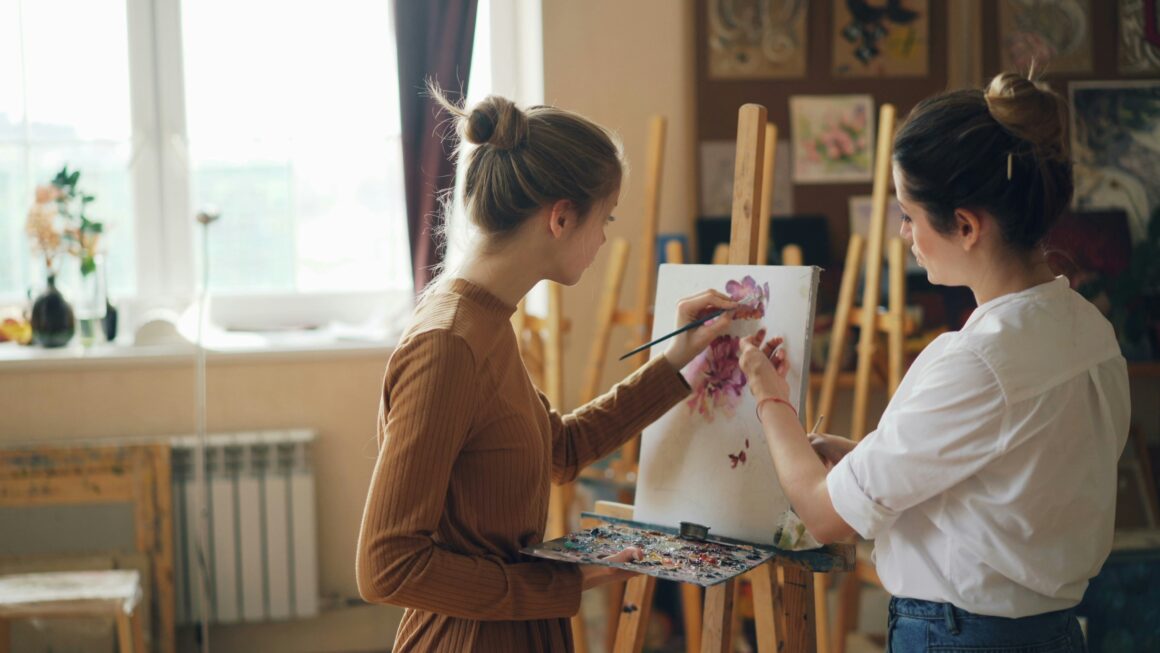
When you feel overwhelmed, the right hobby can be like active meditation. Activities with repetitive motions and focused attention, such as knitting, painting, gardening, or doing a jigsaw puzzle, are great healthy escapes from stress.
They quiet the mind’s chatter, encouraging you to be present. The physical act of creating something real gives a satisfying sense of accomplishment that’s often missing from our digital work lives.
Engaging your senses is another powerful way to feel grounded. Creating personal rituals around sensory experiences can be incredibly calming. This might mean collecting essential oils for aromatherapy, perfecting your coffee-making routine, or exploring flavours in a more intentional way.
For adults who already vape, this can also include choosing e-liquid flavours that suit their preferences. Brands like IVG offer different options, but it is still important to buy from trusted sellers and check product details carefully before choosing a product.
Cultivating Personal Rituals
Turning a hobby into a personal ritual changes it from a simple pastime into a key part of your self-care routine. A ritual is all about intention. It’s the difference between quickly sketching on a scrap of paper and mindfully setting up your watercolour paints, choosing your paper, and dedicating an hour to your art.
Create a specific, inviting space for your hobby, even if it’s just a small corner of a room. This tells your brain it’s time to switch off from daily pressures and focus on your activity. The ritual could be as simple as making a cup of tea before you sit down to read, or putting on a specific playlist while you work on a DIY project. These small, consistent actions build a habit of mindfulness that goes beyond the hobby itself.
Connecting Through Shared Interests
While many hobbies are solitary, they also offer a wonderful chance to connect with others. Sharing a common interest is a fantastic way to build community and fight feelings of loneliness. It provides instant common ground, making it easier to form new friendships.
Consider joining a book club, a local walking group, a pottery class, or an online forum dedicated to your interest. Sharing tips, celebrating successes, and learning from each other can make your hobby experience richer and provide a valuable support network. These shared activities create a sense of belonging and remind us that we are part of something bigger than ourselves.
Making Time for Yourself
The biggest reason people don’t start or keep up with a hobby is feeling like they don’t have enough time. In our busy lives, it can feel selfish to spend hours on something that isn’t ‘productive.’ It’s time to change that way of thinking. Investing in your own well-being is one of the most productive things you can do.
Start by scheduling your hobby time in your calendar, just like any other important appointment. Begin with small, manageable chunks; even 15-20 minutes a few times a week can make a difference. Be realistic about your commitments and don’t be afraid to say ‘no’ to other things to protect this time for yourself. The goal isn’t to add another stressful task to your list, but to joyfully and intentionally make space for something you love.
Ultimately, finding the right hobby means giving yourself permission to explore, create, and simply be. It’s a quiet act of rebellion against the constant need to be busy, and a gentle step toward a more balanced and mindful life.
Contributed Post




One Comment
Kaz
Thank you for this blog. I need to start my hobbies again as I haven’t been doing them, which is due to a challenging time.