The Softest Version of Self-Care on Low Energy Days
In our society, self-care is often seen as something that needs to be done, bought, aesthetic or aspirational in some way. But on low spoon days, this can feel like another burden that has to be done instead of something nice to feel good. We need to redefine self-care and what it means when we live with fatigue, burnout, menopause, neurodivergence or emotionally difficult times. To those of us with chronic illnesses and disabilities, it needs to look less like fixing ourselves, and more like building the softest version of self-care on low energy days.
Redefining Self-Care
I think too often, we think of expensive routines, or constantly upgrading our lives but self-care should be about reducing pressure. Some days the kindest thing any of us can do is just to stop expecting to much from our body and mind.
Rest does not mean giving up or being lazy, it is part of healing and survival that is too often forgotten. We do not need to earn rest by pushing and overworking first, no matter what society tries to tell us.
The softest version of self-care on low energy days, can be as simple as taking a nap, or mindlessly watching TV. The tiny comforts we love and that give us joy can be so meaningful and magical.
Rest as Self-Care
It can be so difficult in this world obsessed with productivity; to rest without guilt but we need to reframe it as something nourishing. Letting go of the emotions that surround rest, like guilt, frustration, feeling lazy or fearing falling behind.
We need to remember that there are different types of rest, physical, sensory, emotional and social. Doing this allows us to choose what we need and to pick what we want to do to address what our mind and body needs.
Allowing yourself to simply be, dimming lights, soft blankets, candles or fairy lights, and slowing down are all forms of self-care. Finding the softest version of self-care on low energy days is often just exactly what we need to prevent burnouts and flare ups.
Tiny Comforts That Make Difficult Days Softer
We all have small anchors of comfort; those little rituals of gentleness that make us instantly feel relaxed and content. I know for me, these are the touchstones that I reach for on those low energy days when all I need is to look after myself.
These moments don’t have to look a certain way; it can be re-reading a book you love or rewatching favourite TV shows or movies. Listening to calming podcasts, audiobooks or music that you can get lost in, instantly calming our racing thoughts as we listen.
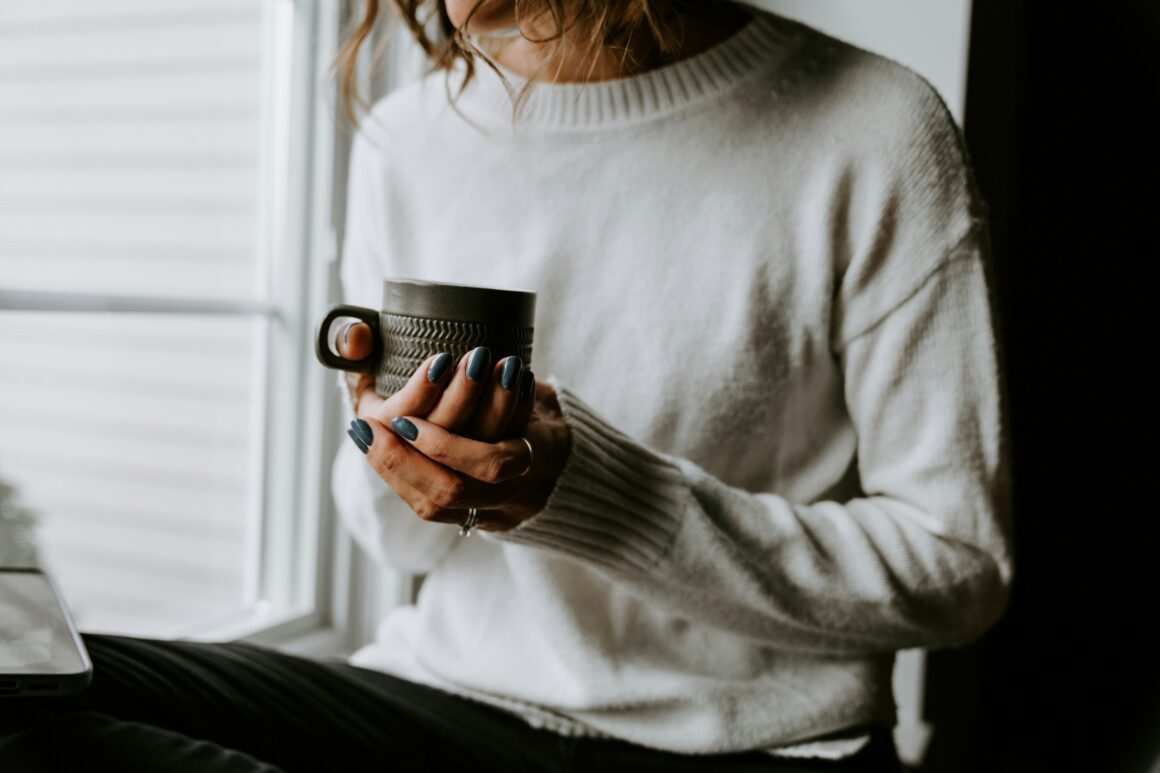
Many people during the pandemic turned to small creative hobbies for a reason, colouring, journaling or knitting are all meditative. But if your mind is too foggy simply climbing into some cute pyjamas and drinking a cup of tea from a favourite mug is enough.
When Self-Care Means Returning to the Basics
The softest version of self-care on low energy days should be as easy as possible, and just concentrating on the basics is enough. Washing your face, drinking water and taking your medications all count as self-care.
We need to reframe and stop making it into something else to achieve or tick off a list and just realise that existing on a difficult day count. No gold stars, no pressure, there is no need for a wellness performance that is perfectly aesthetic. It can simply be doing the small everyday things to look after yourself.
Creating an Accessible Self-Care Environment
So, let’s talk about how we can make this achievable by preparing your environment to support low-energy days:
- Keeping comfort items nearby – I have seen people keeping a self-care cart or basket so they can keep everything at hand. This could include blankets, skincare wipes, chargers, water bottles, books, medications and cosy socks. By keeping them together it makes it easier to reach for, or ask someone to bring, on those low spoon days.
- Create a self-care area – If you have room, you could create a softness station, or cosy corner where you can keep everything ready. I always sit in the same place, so beside me is everything I need for some self-care, blanket over the back of the sofa, colouring pens and books on the bookcase, medications on my table.
- Get witchy with it – If you are a disabled witch, you could work with comforting scents, healing teas, calming crystals, candles and intentional rest rituals. You could even work with meditations and essential oils, healing runes or sigils… the list goes on.
The most important thing though is that we make accessibility part of our care rather than something we only do when we are completely out of spoons.
Most of all, we need to remember that self-care does not need to look impressive to matter, we need to meet ourselves where we are. The softest version of self-care on low energy days needs to come with softness and compassion. These days are still worthwhile; rest has value and just being gentle with yourself is enough. There is something deeply healing about treating yourself with tenderness on the days you need it most.
Thank you xx
If my words or videos have brought a little cosiness to your day, you can support me on Ko-fi with a tip or join my Patreon for just £2 a month. Your kindness helps me keep creating both here and on YouTube.
If you enjoyed this, you might also like:
- Why Good Pain Management Is Suicide Prevention
- Creating a Calming Sanctuary: Mindful Self-Care Practices for Long-Term Wellbeing
- When the Goalposts Move: The Mental Health of Being a Small YouTuber
- Finding Joy and Magic While Living with Chronic Illness
- Building a Life That Works With Your Body




One Comment
Kaz
Reading this is wholesome and a good reminder to come back to when needed. Thank you. xx